
Disability Pride Month Blog
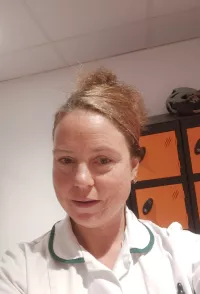
Hannah Seaton is a newly qualified Occupational Therapist and HCPC registrant. She recently graduated from the University of Plymouth and has a particular interest in mental health, neurological rehabilitation and palliative care. Alongside working within the NHS, she is passionate about promoting disability awareness and sharing her lived experience of narcolepsy to encourage inclusion within the occupational therapy profession.
If you'd like to continue the conversation about disability and disability rights, we invite you to join our Disability network.
Thank you to Rachel for contributing her thoughtful reflections during Disability Pride Month.
Redefining disability through lived experience
When people think about disability, they often think about what someone cannot do. As an Occupational Therapist living with narcolepsy, my experience has taught me something very different. Disability is not about limitation; it is about recognising that everyone has unique strengths, challenges and ways of participating in the occupations that give life meaning.
My journey to becoming an Occupational Therapist has not always been straightforward. There were times during my degree when managing fatigue, excessive daytime sleepiness and the unpredictability of narcolepsy made studying and completing placements particularly challenging. However, those experiences also shaped the therapist I am today. They strengthened my resilience, developed my ability to problem-solve and reinforced the importance of self-management, occupational balance and asking for support when needed.
I am proud to be an Occupational Therapist with lived experience of disability.
How lived experience informs practice
Living with a hidden disability has also influenced the way I view the people I support. I appreciate that many conditions are invisible and that individuals often face barriers which others may not immediately recognise. This has made me more mindful of the importance of listening without judgment, working collaboratively and understanding each person's occupational story rather than making assumptions based on diagnosis alone.
Occupational therapy is uniquely placed to celebrate difference rather than focus solely on impairment. We work alongside people to enable participation in the occupations that matter most to them, adapting environments, routines and expectations so individuals can flourish in ways that are meaningful to them. As Occupational Therapists, we are equally responsible for creating inclusive workplaces where colleagues with disabilities can thrive and contribute their knowledge, skills, and lived experiences.
Disability Pride Month offers an opportunity to celebrate the diversity within our profession, challenge the stigma surrounding both visible and invisible disabilities, and foster honest conversations about inclusion.
Celebrating disability pride and inclusion
I am proud to be an Occupational Therapist with lived experience of disability. Rather than seeing narcolepsy as something that has held me back, I recognise that it has shaped my empathy, resilience and professional values. It has reminded me that health is not simply the absence of illness, but the ability to engage in meaningful occupation, maintain hope and live a fulfilling life.
Disability Pride Month offers an opportunity to celebrate the diversity within our profession, challenge the stigma surrounding both visible and invisible disabilities, and foster honest conversations about inclusion. By sharing our stories, we not only inspire others but also help create a profession where future Occupational Therapists feel able to bring their whole selves to work.
Occupational therapy is uniquely placed to celebrate difference rather than focus solely on impairment.
I hope that by sharing my journey, others will recognise that disability and professional success are not mutually exclusive. Our lived experiences can become one of our greatest strengths, enriching our practice and enabling us to better understand and support the people we work alongside every day.