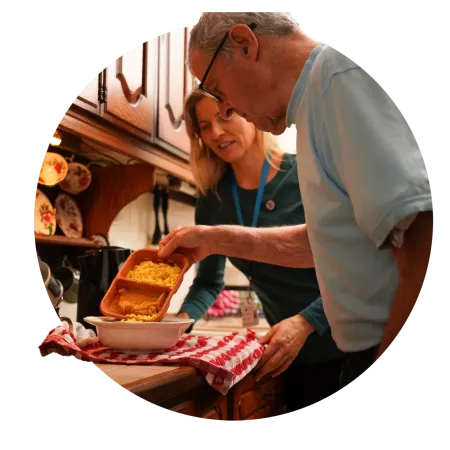
My first month: listening, learning and looking ahead
Listening, learning and looking ahead

Over the last few weeks, I’ve been meeting occupational therapists across the UK, in person and virtually, to listen first, learn fast and develop my thoughts on how we can keep improving the way RCOT represents you.
Thank you for the warm welcome
In my first month, I’ve had the opportunity to join six virtual meetings where I have spoken with over 100 members so far. I’m genuinely grateful to everyone who has made time to share their experiences and ideas, with such open and honest feedback.
Alongside that, we’ve had a discussion thread in RCOT Communities (under the Leadership network), using the same questions I’ve been asking in the sessions, and it’s been great to see strong engagement there too.
This is just the start. I’ll be continuing these sessions over February and I’ll begin visiting services across all four countries.
I’ve also been pleased to accept a number of invitations from members to come and see their teams; I won’t be able to get everywhere at once, but I’m committed to getting out regularly through the year.
What I'm hearing so far
It’s early days, and I don’t want to over-interpret just 28 days of listening. That said, a few themes are already coming through:
Representation and visibility: You expect RCOT to do more in representing the profession – and for you to see that work more clearly. We’re doing some of it already, but we need to elevate how we communicate the impact of our work on your behalf and with you, in ways that are easy to find and digest.
Be loud and proud about our impact: The diversity of occupational therapy and the wide range of contexts our members work in should be celebrated as a strength. Rather than spending our energy endlessly defining the profession, we should focus on demonstrating its impact – for people, communities and the system.
Evidence and outcomes: We need to support members to collect and use impact data, including health economics. The work you do in enabling someone to participate in occupations, which of course includes for many people work, has a direct saving to the health system and stimulates the economy.
Access and early intervention: Timely access matters. When people can see an occupational therapist earlier, we can prevent issues from escalating and support independence sooner. That’s better for individuals and for services.

A standout moment
Visiting members, service users and with our Royal Patron
I visited an occupational therapy service with our Patron, Her Royal Highness The Princess Royal. It was a privilege to see her deep knowledge and commitment to occupational therapy. What stayed with me most though, were the conversations with OTs and service users.
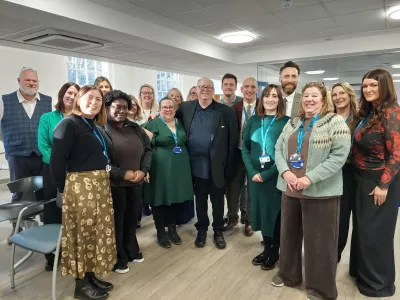
One person told me, pointing to their occupational therapists: ‘If it wasn’t for these guys, my life would be really different right now.’ And that was just amazing and really inspiring to hear.
I left Peterborough energised and inspired by the lifechanging difference you make every day. Reading about occupational therapy is one thing – hearing it from people whose lives have changed is another.
This is your membership organisation
I want to be clear at the start about my commitment to you all: RCOT is your membership organisation.
RCOT’s Board of Trustees oversee the charity (Royal College of Occupational Therapists), while BAOT Council (British Association of Occupational Therapists) is the elected body representing the profession.
I’ve now met both and appreciate the constructive conversations we’ve had about early priorities and the road ahead. But I plan to create more ways for members to shape our work - formally through governance and informally through flexible, practical contributions.
Whether you can give an hour every couple of weeks, or you’re able give up three days every quarter to serve on a committee, you should have the opportunities that fit the time you can genuinely offer.
We won’t remove every barrier overnight, but we can lower the thresholds to meaningful engagement, so that you can be part of shaping your RCOT.
Shaping the next organisational strategy
With that in mind, our current five-year strategy concludes at the end of this year, so I’ve begun early work on the next one.
The conversations with the Board and Council, members and stakeholders – including Professor Suzanne Rastrick CBE, NHS England’s Chief Allied Health Professions Officer and Deputy CAHPOs Bev Harden and Steve Tolen – the RCOT Communities thread, upcoming service visits and, from next month, meetings with members from across the nations – will all inform the new strategy.
Crucially, your voice will be at the centre. The strategy needs to reflect what matters to you and what will most effectively represent and advance the profession. We need to ensure we’re enabling occupational therapists to lead, influence and demonstrate impact.
What comes next
What comes next isn’t a three month ‘listening tour’, it’s the start of how I intend to work throughout my time at RCOT.
This first month has been an intense period of meeting with members and getting out to services, but that momentum won’t stop. Over time, I’ll keep coming out to where you are, in all four countries, listening and working with you to raise the voice and visibility of occupational therapy.
Thank you again to everyone who has taken part so far – and to those who’ve reached out with invitations. I’m looking forward to meeting many more of you, hearing your stories and working together to raise the voice and visibility of occupational therapy.