
Putting children and OT on the national agenda in Parliament
Why the OT voice matters more than ever
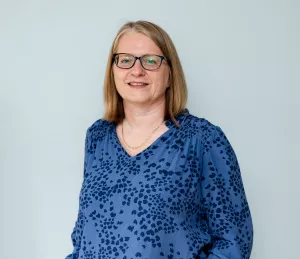
This week Dr Sally Payne, our Professional Advisor for Children and Young People, spoke to the Health and Social Care Select Committee in UK Parliament. The Committee is looking at Education Health and Care Plans (EHCPs) and the proposals set out in the Schools White Paper. It was an important moment for children and young people and for the occupational therapists who support them.
If you want more background on the Schools White Paper you can read Sally's earlier blog 'Breaking down the Schools White Paper and what comes next'.
Showing MPs what is happening in services right now
Sally used the session to share what children's occupational therapists are seeing every day. She brought early findings from our February survey with her.
Of the 527 therapists who responded
- 72 per cent told us demand for their services has risen sharply since January 2025
- 50 per cent said their teams are not fully staffed
- 64 per cent said that even if every vacancy was filled, there still would not be enough therapists to meet the needs they are seeing
Sally told the Committee that occupational therapists and families all want children and young people to feel supported in their learning and daily life, getting the right support at the right time. She said:
'Services are incredibly stretched. Professionals are working really hard and want the same as parents and families, which is to do the best for children and young people. But the demand is huge.'
She also highlighted the mix of NHS teams, local authority funded posts and independent practitioners delivering children’s OT in different areas. This leaves families with inconsistent access. It also makes coordinated support harder to achieve.
As Sally put it, 'people are doing different bits in different parts of the system. It is a lack of coordination and a lack of accountability.'
The workforce plan must include children’s occupational therapists
MPs asked what the forthcoming 10 Year Workforce Plan. Sally said it must include a clear commitment to children’s occupational therapy staffing. Without this, SEND reforms cannot succeed.
'We need the workforce plan to address children's occupational therapy staffing so we can deliver a sustainable and sufficient workforce to support SEND reform.'
After the session she reflected on the moment we are in.
'It is a really important time for occupational therapy. We need to make sure the NHS workforce plan includes what we need to deliver SEND reforms.'
Experts at Hand and our ambition for every school
Sally also spoke about the Experts at Hand model in the Schools White Paper. She said it fits closely with our long-standing ambition for every school to have access to occupational therapy expertise.
'Experts at Hand has the potential to help us move towards that ambition. We want every school to have access to occupational therapy expertise when they need it.'
She also explained why a tiered or graduated response matters. It helps children get support before needs grow more complex and gives therapists more capacity to use their specialist skills where they are most needed.
'Early help and building the capacity of the people around children can prevent needs from becoming more complex. That means we can support the children who need specialist intervention in a timely way.'
We will soon ask members to share their examples of how this model can work in practice. Your insight will help shape our advice and show government what good support looks like for children in education.
Why giving evidence matters
Sessions like this give us a voice in national decisions. They help MPs see the reality of service pressures and hear directly about the changes needed to improve support for children and families. They also show the impact and value of your work.
This is a key moment for the profession. Decisions now will shape services for many years. We will keep speaking up to make sure occupational therapy is visible and valued across education, health and social care.